
EV Charger Buyer's Guide (Ireland)
A home charger is the difference between charging your EV overnight for pennies and relying on public chargers. But the choice is wider than it looks: power, cable style, smart features and grant eligibility all matter. This guide walks a homeowner through the decision, then through a compliant install. For most Irish homes, buy a 7.4kW single-phase smart charger. Decide between tethered (a fixed, always-there cable) and untethered (a socket you plug your own cable into), pick the smart features you will actually use tariff scheduling is the big one and check SEAI grant eligibility (currently 300 euro). 22kW only helps if you have a three-phase supply, which is uncommon in homes. Installation must be by a Safe Electric registered electrician to IS 10101.
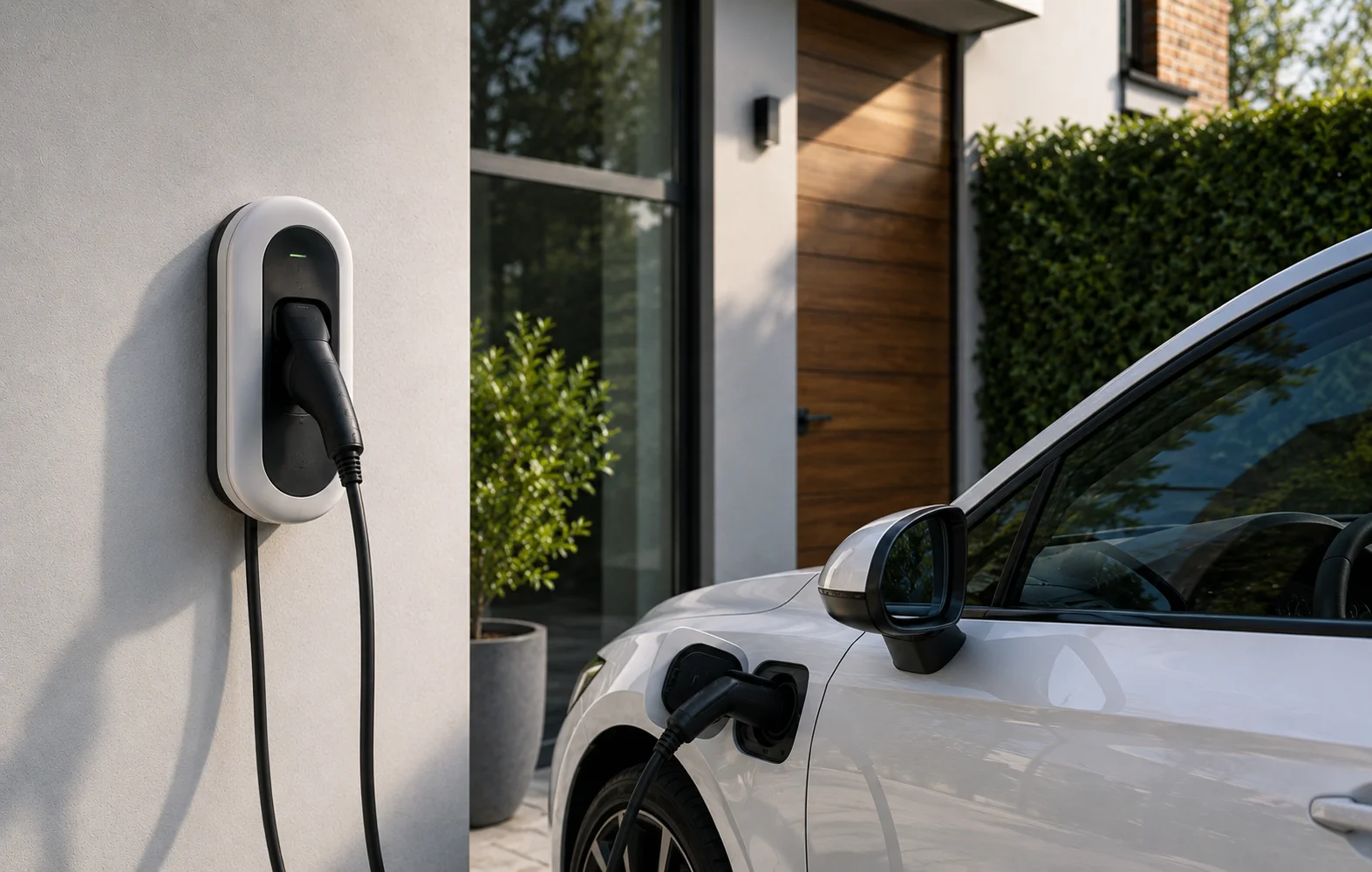
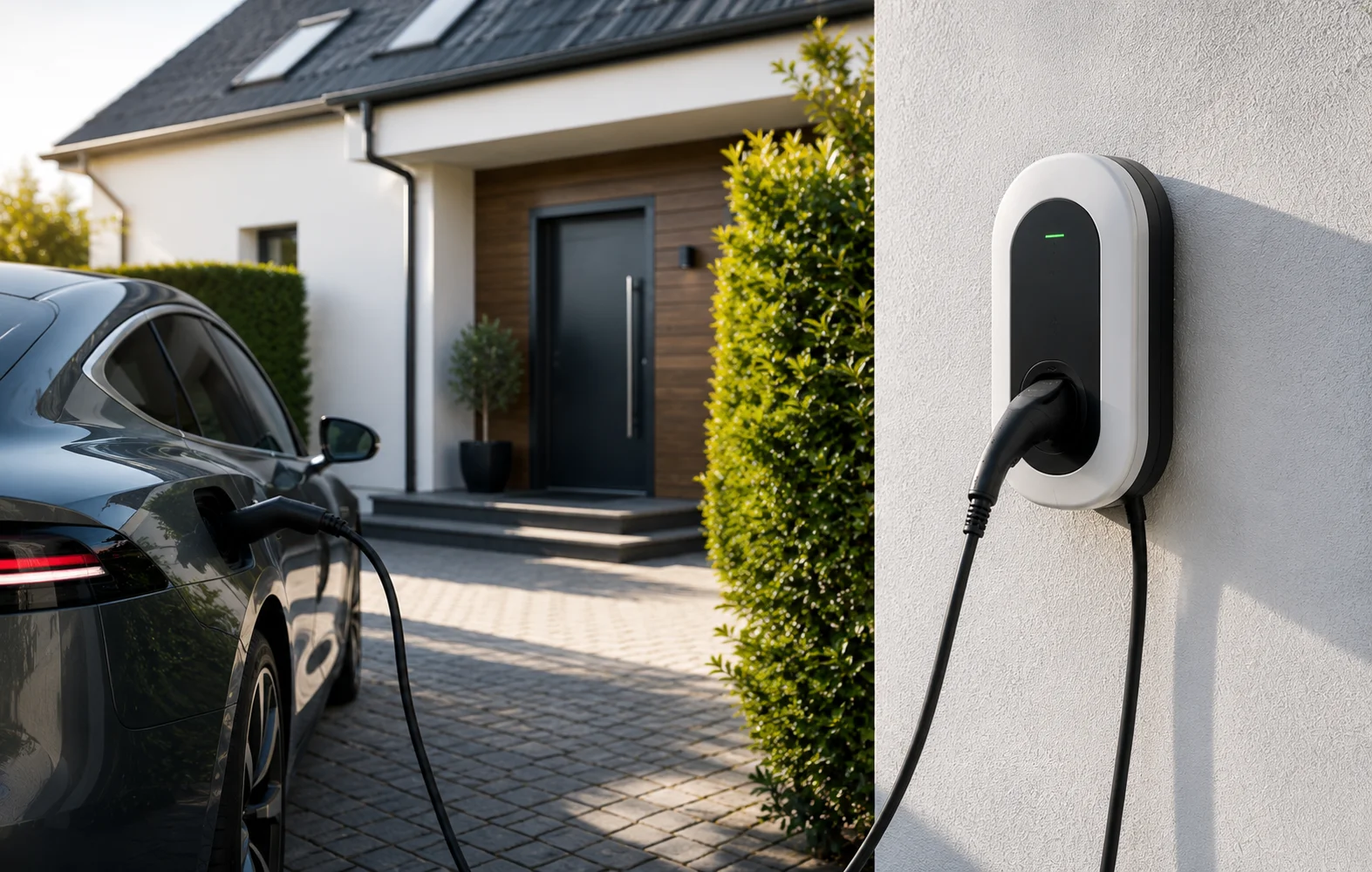
Power: How Fast Do You Need?
A single-phase home supply supports up to 7.4kW, which adds far more than a typical day's range overnight plenty for almost everyone. 22kW needs a three-phase supply most homes do not have. Unless you have three phases and a genuine need, 7.4kW is the sensible choice. See our guide to 7kW vs 22kW chargers.
Tethered or Untethered?
Tethered chargers have a captive cable grab and plug in, no fetching a lead, but the cable is fixed and the connector is set. Untethered chargers have a socket you plug your own cable into, which is tidier, future-proofs against connector changes and lets two cable lengths share one unit. Our tethered vs untethered guide covers the trade-off in full.
| Type | Cable | Trade-off |
|---|---|---|
| Tethered | Fixed, always attached | Most convenient, but connector is fixed |
| Untethered | Socket - bring your own cable | Flexible and tidy, but you need a cable to hand |
Our tethered vs untethered guide covers the trade-off in full.
Smart Features Worth Having
- Tariff scheduling to charge on night or dynamic rates the biggest saving
- Solar surplus charging if you have PV
- App monitoring of cost, energy and charge status
- Load management so the charger eases off when the house is busy
The SEAI Grant
The SEAI home EV charger grant (currently €300) is available where the eligibility conditions are met and the charger is installed to the required standard by a registered electrician. Keep the paperwork; the installer usually helps with it.
Installation and Compliance
Installation must be by a Safe Electric registered electrician to IS 10101: a dedicated circuit, the correct RCD protection, and open-PEN protection for the PME (TN-C-S) supply common in Ireland. WEW stocks chargers and installation materials; the manufacturer's installation manual is the technical spec sheet to read alongside this guide.
Frequently Asked Questions
-
What size home EV charger should I buy in Ireland?
A 7.4kW single-phase charger suits almost all homes and charges most EVs fully overnight. 22kW needs a three-phase supply, which is uncommon in homes, so it is rarely the right home choice. -
Is the SEAI EV charger grant still available?
Yes, the SEAI home charger grant (currently €300) is available where eligibility conditions are met and the charger is installed by a registered electrician to the required standard. -
Can any electrician install an EV charger?
It must be a Safe Electric registered electrician, installing and certifying to IS 10101, including the open-PEN protection Irish PME supplies require. It is also a condition of the SEAI grant.
Source it at WEW
WEW (Waveform Electrical Wholesale) is your electrical wholesaler and lighting expert in Meath, supplying trade and homeowners across the region. Call in to the counter or the lighting showroom for stock, advice and everything referenced in this guide.